Understand
Translate intent into a searchable query
Toronto · Open to research & opportunities
I build systems that think with evidence.
I’m Kai Zang — a University of Toronto Computer Science student exploring how retrieval, reasoning, and thoughtful product design can turn AI into something people can actually trust.
01
Philosophy
The best AI doesn’t just sound intelligent.
It knows where its answer came from.
That belief shapes how I build: start with evidence, design for clarity, and make every technical choice serve a human need.
02
Signature Project
Ask Kai · RAG AI Agent
An agent built to retrieve before it replies.
Most AI demos begin with a model. Mine begins with a question of trust: how can an answer remain useful, private, and grounded in real evidence?
Q
What makes Kai’s AI work more than a chatbot?
Retrieve
Semantic + keyword search across trusted sources
Re-rank
Surface the context that best answers the question
Ground
Generate a concise response anchored in evidence
✦
Grounded answer
It doesn’t rely on a model’s memory alone. It finds relevant evidence, ranks it, and uses that context to produce an answer you can trace.
3 sources
Context verified
01
Grounded by design.
RAG connects every answer to a controlled knowledge base instead of trusting fluent guesses.
02
Built as a system.
FastAPI, PostgreSQL, retrieval logic, and deployment come together as one end-to-end product.
03
Interactive AI demo
Launch Ask Kai
↗
Made for people.
The goal isn’t AI for its own sake—it is faster access to clear, relevant, verifiable information.
03
Selected Work
From algorithm
to experience.
I like building across the stack— understanding the algorithm, shaping the product, and carrying it all the way to a usable interface.
Travel,
orchestrated.
One app from inspiration to itinerary.
An in-progress iOS travel concept exploring how destination discovery, AI-assisted itineraries, maps, and trip details can become one calm, connected experience.
Open Travel case study ↗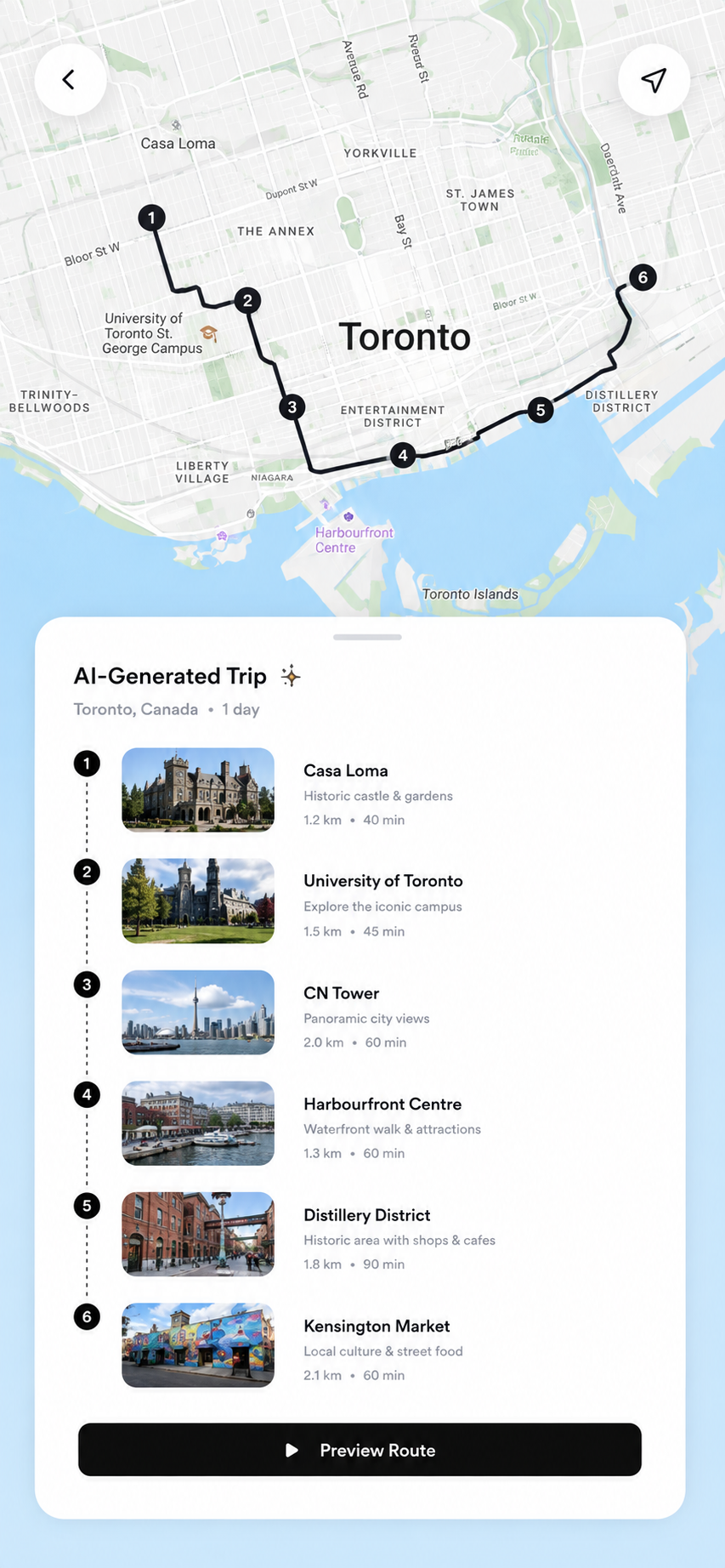
02
Your detail
screenshot
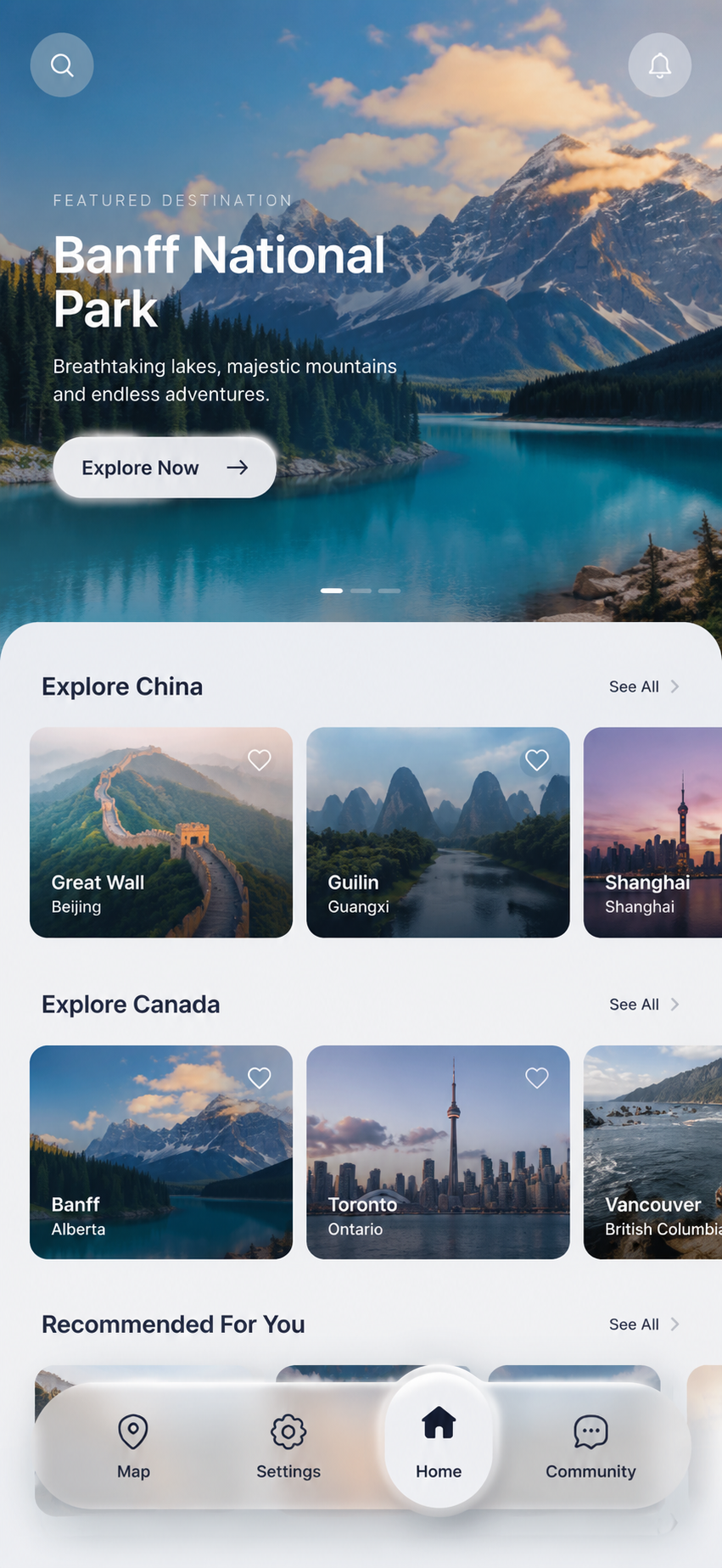
Discover
Somewhere
worth going.
worth going.
Drop your app
screenshot here
screenshot here
Teaching a machine to think ahead.
A 10 × 10 Gomoku engine that searches adversarial possibilities efficiently, using alpha–beta pruning and evaluation heuristics to turn strategy into code.
View Gomoku on GitHub ↗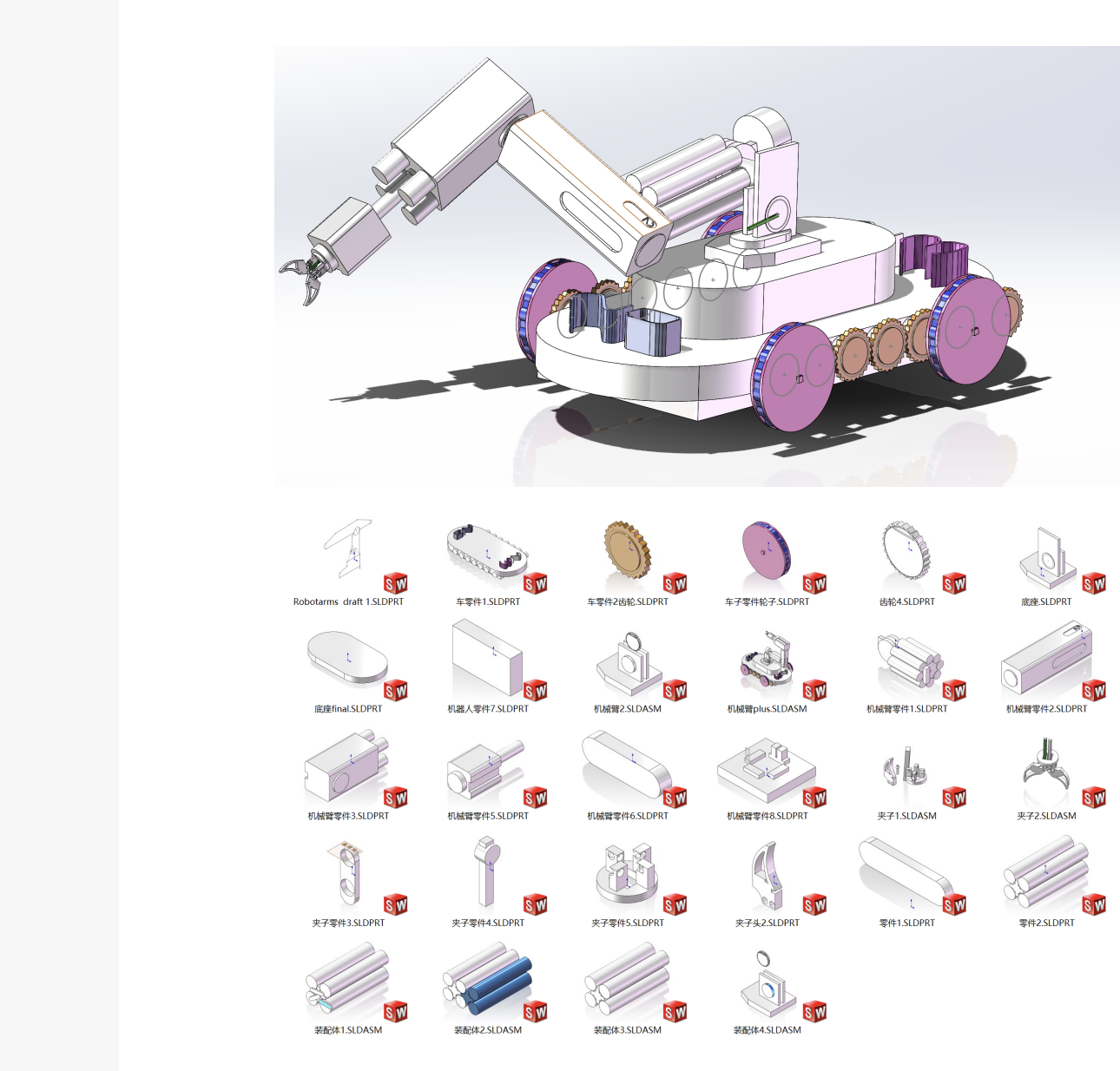
Computer Vision
OBJECT · 98%
Add your BIT research photo here.
04
Research
Beijing Institute of Technology
Giving a robotic arm the ability to see.
I explored how image processing and object detection can translate visual input into physical action for a biomimetic robotic arm—an early experience that made the connection between algorithms and the real world tangible.
Focus
Computer Vision · Robotics
Toolkit
Python · OpenCV · NumPy
05
Résumé
Built on strong
foundations.
Computer Science Specialist with interests in AI, computer vision, and dependable software systems.
PDF document Open full résumé ↓Education
2025 — 2029
University of Toronto
St. George
Computer Science Specialist
A rigorous foundation across programming, proofs, linear algebra, probability, and software design.
CSC110 / 111
MAT137
MAT223
STA130
3.7
/4.0
CS-course GPA
Experience & Leadership
Support
Library & Help-Desk
Helped students and staff solve everyday technology problems—building patience, clarity, and a service mindset.
Leadership
Student Events
Organized activities and coordinated peers, turning ideas into shared, well-run experiences.
Research
Computer Vision & Robotics
Applied image processing and object detection to a biomimetic robotic arm at Beijing Institute of Technology.
Technical Toolkit
Core skills, built to ship.
A focused stack for turning grounded AI ideas into reliable, thoughtful software.
01
Core
AI & Data
Grounded intelligence, retrieval, and perception systems built around evidence.
02
Core
Backend
Clean APIs and dependable services designed for real products, not just demos.
03
Core
Languages
A practical foundation spanning intelligent systems, product interfaces, and data.
04
Product
Product Engineering
From interface decisions to payment and API integration, with the user in view.
05
Systems
Infrastructure
The tools and deployment habits that keep projects collaborative and shippable.
06
Exploring
Next Frontiers
Expanding toward larger systems and richer visual intelligence.
Grounded AI
Computer Vision
Thoughtful Products
Software Systems
Grounded AI
Computer Vision
Thoughtful Products
Software Systems